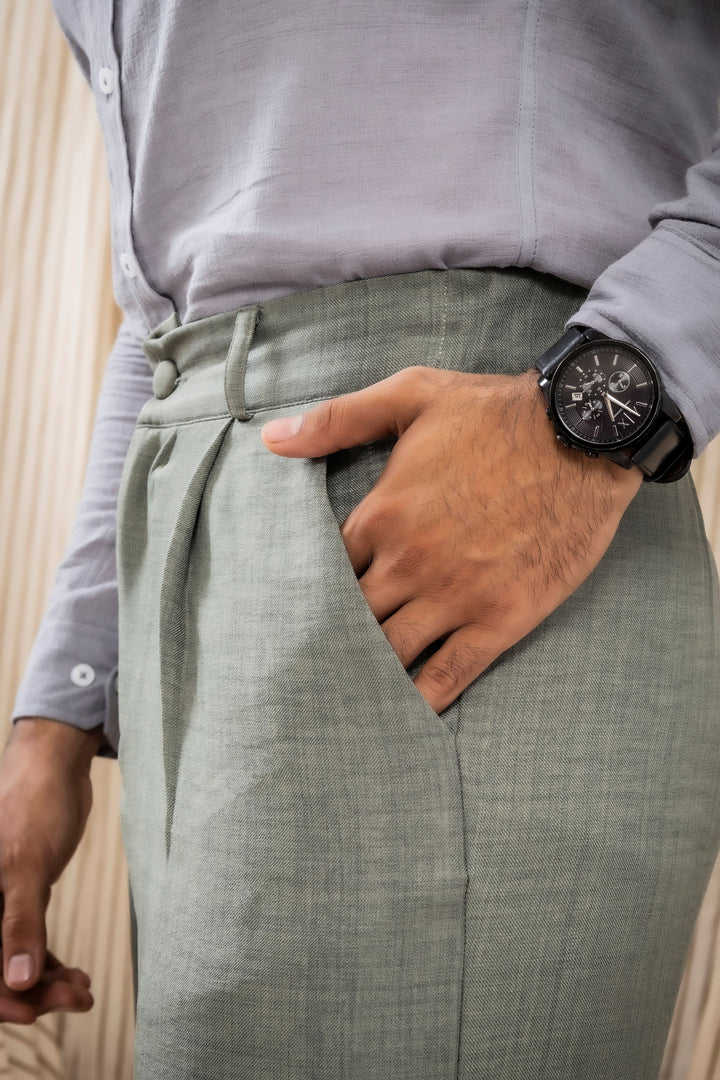
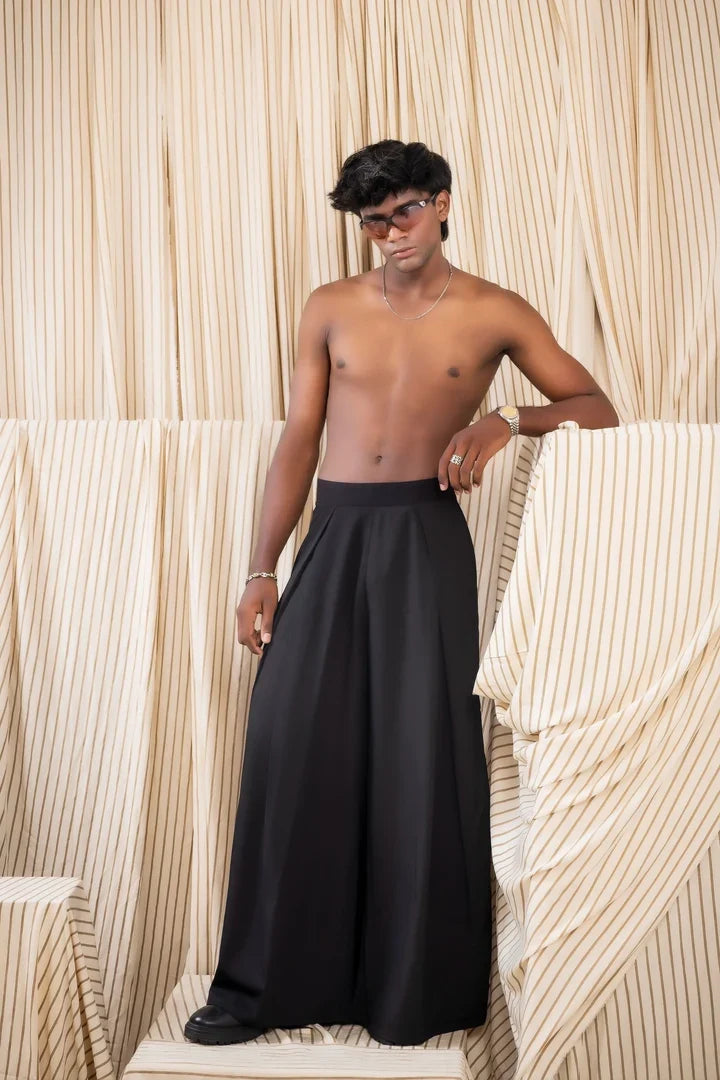
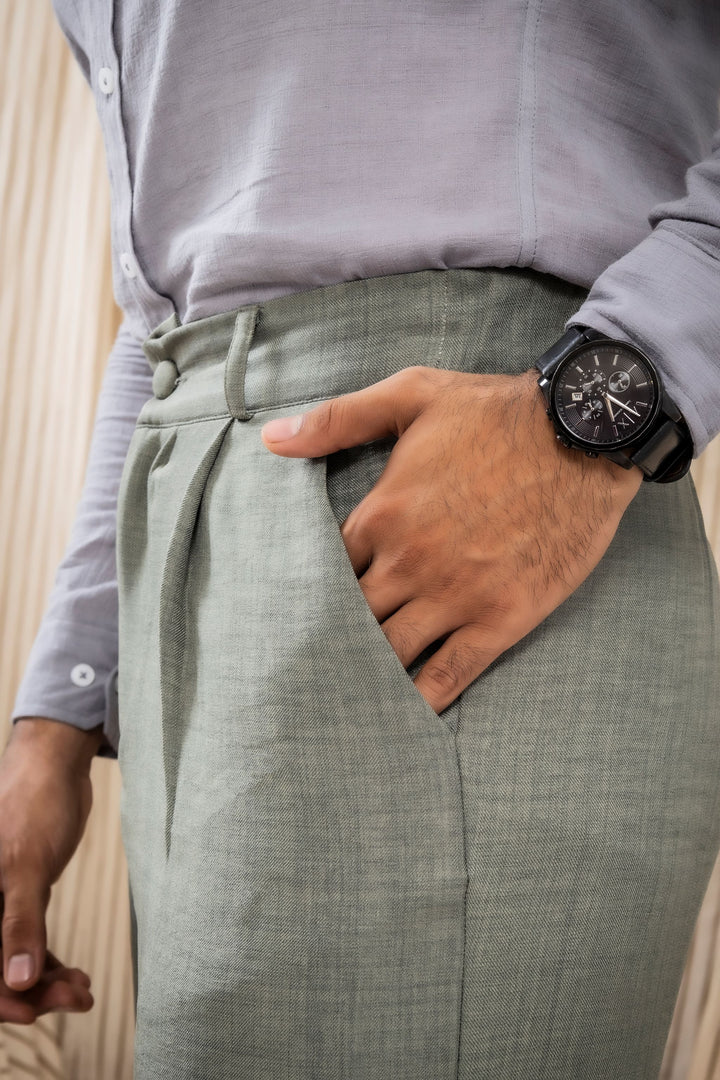
Men Clothing Colors: Best Colour Combinations & Style Guide
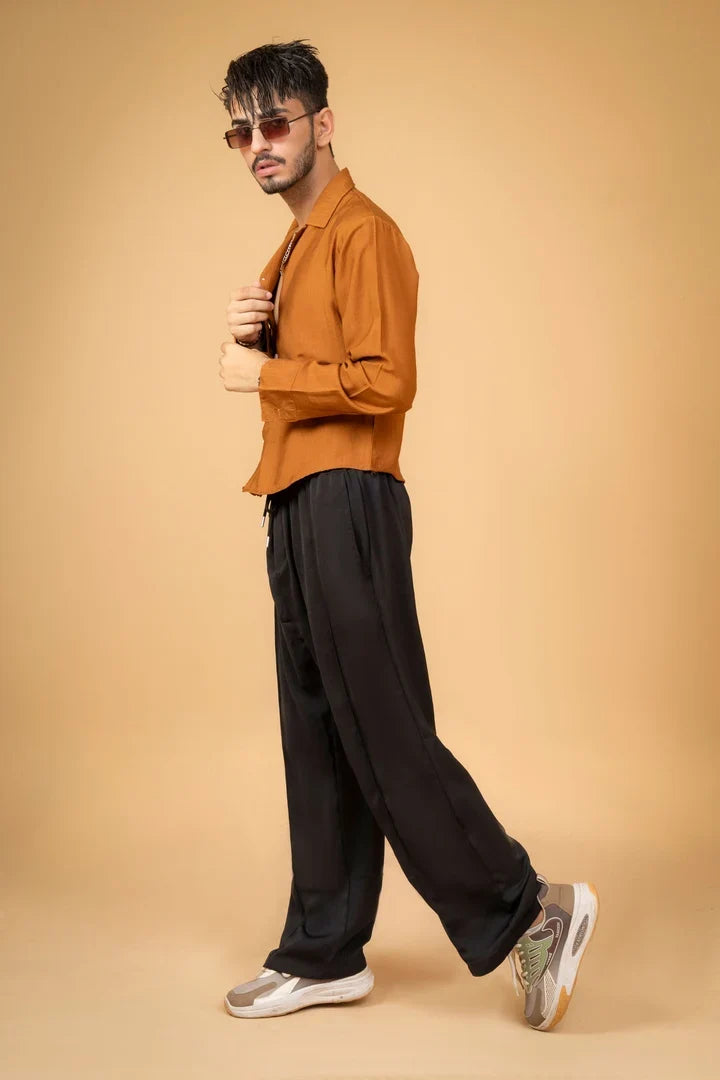
In this story
Choosing what to wear becomes much easier when you understand how clothing colours work together. You do not need a wardrobe full of different shades or expensive outfits to dress well. A few versatile colours, combined thoughtfully, can create outfits for everyday wear, university, work, dinners and social occasions.
The key is to build a colour palette that works with the clothes you already own. Black, white, navy, grey, beige and olive are useful starting points because they can be mixed with many other shades. Once these basics are in place, you can introduce colours such as burgundy, rust, sage green or light blue to give your outfits more personality.
This guide explains how to choose men clothing colors, create balanced colour combinations, build a versatile wardrobe and style casual outfits for everyday life in Pakistan.
Why Clothing Colours Matter
Colour influences how an outfit looks as a whole. Two pieces can have a similar fit and fabric but create very different impressions because of their shades.
For example, a white T-shirt with black trousers creates a sharp contrast. A beige shirt with olive trousers gives a softer, earthy appearance. Navy with grey looks understated and works well when you want an outfit that feels coordinated without being too colourful.
Understanding colour coordination also helps you make better shopping decisions. Instead of buying a shirt because you like its colour and later struggling to style it, you can consider how it will work with your existing trousers, T-shirts and footwear.
A practical wardrobe should offer several combinations from a relatively small number of pieces.
Best Clothing Colours for Men
There is no single colour that every man must wear. The best choice depends on personal preference, the occasion, the garment, the weather and the other pieces in the outfit. However, some colours are easier to combine than others.
1. Black
Black is a versatile option for casual outfits, evening plans and modern streetwear. It pairs well with white, grey, beige, olive and denim.
Easy combinations:
- Black T-shirt with light grey trousers.
- Black shirt with beige or stone-coloured trousers.
- Black T-shirt with black trousers for a tonal outfit.
- Black overshirt with a white tee and dark denim.
Black can create a strong contrast with lighter shades. For daytime wear in hot weather, consider the fabric and weight of the garment as well as its colour.
2. White and Off-White
White is one of the easiest colours to use as a base. It works with dark trousers, earthy shades, denim and many brighter colours.
Easy combinations:
- White T-shirt with black jeans.
- White shirt with navy trousers.
- Off-white tee with olive trousers.
- White shirt with beige or brown bottoms.
Off-white, ivory and cream offer a softer alternative to bright white. These shades can work particularly well with olive, camel, brown and other earthy colours.
3. Navy Blue
Navy is a useful alternative to black when you want a dark colour that feels slightly softer. It can be worn casually or in smart-casual outfits.
Easy combinations:
- Navy T-shirt with beige trousers.
- Navy shirt with white or cream bottoms.
- Navy polo with grey trousers.
- Navy shirt with olive or khaki trousers.
Navy also works with lighter blue shades. To make the contrast clear, combine a darker navy piece with a noticeably lighter blue rather than two nearly identical shades.
4. Grey
Grey is available in many tones, from pale heather grey to charcoal. Lighter grey creates a softer look, while charcoal offers more visual depth.
Easy combinations:
- Light grey T-shirt with black trousers.
- Charcoal shirt with beige trousers.
- Grey tee with navy jeans.
- Charcoal trousers with a white or cream shirt.
Grey is especially useful when you want to combine two neutral colours without making the outfit look too stark.
5. Beige, Cream and Camel
These warm neutrals create relaxed, understated outfits. They work well with white, navy, black, olive, brown and many muted colours.
Easy combinations:
- Beige trousers with a white tee.
- Camel or tan bottoms with a navy shirt.
- Cream tee with olive trousers.
- Beige shirt with dark brown or charcoal bottoms.
Because beige and cream are relatively light, they can help balance a darker shirt or T-shirt. Check the contrast between the two pieces so the outfit does not look too similar in tone.
6. Olive and Green
Olive is a practical way to introduce colour without relying on a bright shade. It works well with neutrals and earthy colours.
Easy combinations:
- Olive shirt with black trousers.
- Olive T-shirt with beige bottoms.
- Sage green tee with white or grey trousers.
- Dark green shirt with cream or stone-coloured bottoms.
Different greens can work together, but their tones should be clearly different or intentionally coordinated. Two nearly identical shades can make an outfit look mismatched.
7. Brown and Rust
Brown and rust add warmth to a wardrobe. They work with cream, white, beige, navy, olive and selected grey shades.
Easy combinations:
- Rust shirt with black trousers.
- Brown shirt with beige bottoms.
- Rust or terracotta shirt with dark denim.
- Brown overshirt with a white T-shirt.
If the top is already a strong warm colour, keep the other pieces relatively simple. This allows the main colour to stand out without competing with several other shades.
8. Blue and Pastel Shades
Light blue, dusty pink, muted lavender and other soft shades can add variety to everyday clothing.
Easy combinations:
- Light blue shirt with navy trousers.
- Pale pink shirt with charcoal bottoms.
- Muted lavender shirt with beige trousers.
- Light blue tee with white or dark denim.
You do not need to avoid pastels or brighter colours. Start by pairing one of them with neutral bottoms, then experiment with additional colours once you understand what you like wearing.
Best Colour Combinations for Men's Clothing
The easiest way to coordinate an outfit is to choose one main colour and build around it. A neutral can act as the foundation, while a second colour adds contrast or warmth.
| Colour combination | Outfit example | Overall effect |
|---|---|---|
| Black and white | White tee, black trousers | High contrast and clean |
| Navy and beige | Navy shirt, beige trousers | Balanced and versatile |
| Grey and black | Grey tee, black jeans | Understated and modern |
| Olive and cream | Olive shirt, cream trousers | Soft and earthy |
| Brown and blue | Brown shirt, blue denim | Relaxed and warm |
| White and olive | White tee, olive trousers | Simple and casual |
| Charcoal and beige | Charcoal shirt, beige trousers | Dark-light contrast |
| Navy and white | Navy tee, white bottoms | Crisp and noticeable |
| Rust and black | Rust shirt, black trousers | Warm with strong contrast |
| Sage and grey | Sage tee, grey trousers | Muted and coordinated |
These are starting points rather than strict rules. The exact shades, garment cuts and textures all affect the final result.
For more specific shirt-and-trouser pairings, see VIVA's Shirt and Trousers Combinations for Men in Pakistan guide.

How to Combine Colours Without Overthinking
You do not need advanced colour theory to coordinate clothes. A few simple principles can help you make decisions more confidently.
Start with a neutral base
Choose one neutral colour as the foundation of the outfit. Black, white, grey, navy and beige are all useful options.
For example, a plain white tee can be worn with black jeans, olive trousers, navy bottoms or beige chinos. The same shirt can therefore work in several different outfits.
Use contrast intentionally
Contrast helps each piece remain visually distinct. A light shirt with dark trousers is a reliable starting point. You can also reverse the arrangement by wearing a darker top with lighter bottoms.
If you prefer a subtle look, combine shades with similar depth, such as charcoal and black, but introduce a difference in texture or garment design so the pieces do not blend together completely.
Limit competing colours
For a straightforward casual outfit, start with two main colours and add a third only when it serves a purpose. A navy shirt, beige trousers and white sneakers are already a complete combination.
A printed or embroidered T-shirt may contain several colours, so the rest of the outfit can stay neutral. This helps the design remain the main visual feature.
Consider the garment's texture and design
Colour is only one part of an outfit. Embroidery, stripes, checks, textured fabric and large graphics also draw attention.
If you wear a T-shirt with a bold back print, plain trousers can keep the outfit balanced. A textured or patterned shirt may work better with simple bottoms than with another competing print.
VIVA's types of shirts for men in Pakistan guide can help you compare shirt styles for different occasions.
Men's Clothing Colour Combinations for Different Occasions
Everyday casual wear
For daily errands, university or meeting friends, choose colours that are easy to repeat.
Try a white T-shirt with black or blue jeans, an olive tee with beige trousers, or a navy shirt with grey bottoms. These combinations are straightforward to assemble and do not depend on a particular trend.
A plain or subtly detailed T-shirt is useful when you want to keep the outfit simple. If you prefer a more expressive look, use a graphic or embroidered tee and keep the other pieces understated.
Smart-casual outfits
Smart-casual dressing benefits from controlled contrast and a considered fit.
A navy shirt with beige trousers, a charcoal shirt with light grey bottoms, or a white shirt with dark trousers can work well. Choose the combination according to the occasion and the style of each garment.
Colour alone does not make an outfit formal. The shirt design, fabric, fit, footwear and overall condition of the clothes also matter.
Summer outfits in Pakistan
For warm days, many people prefer lighter-looking combinations such as white with beige, cream with olive, or light blue with navy. These colours can create a relaxed summer appearance.
However, a light colour does not automatically make a garment cooler. Fabric weight, breathability, fit and the amount of direct sunlight matter too.
For more summer styling ideas, explore VIVA's Summer Shirts for Men: Styles, Fabrics and Trends guide.
Winter outfits
Darker and richer shades can be useful for winter styling. Consider navy, charcoal, black, olive, brown and rust.
A dark shirt with charcoal trousers creates a tonal look, while a cream or white layer can add contrast. You can also combine olive with brown or navy with grey for a restrained seasonal palette.
The best outfit depends on the actual weather and the garment's fabric. See VIVA's Winter Outfits for Men in Pakistan guide for layering advice.
Streetwear outfits
Streetwear can use both neutral colours and more noticeable shades. Black, grey, white and navy provide a simple base, while sage, rust, peach or green can add personality.
For example, wear a graphic T-shirt with dark trousers, or pair a sage or embroidered tee with a neutral bottom. A relaxed silhouette can work well, but make sure the proportions of the top and trousers feel intentional.
Explore VIVA's drop-shoulder T-shirt collection for graphic and embroidered styles.

How to Choose Colours for Your Skin Tone
Skin tone can be one factor in choosing clothing colours, but it should not become a strict set of rules. There is no universal shade that only suits one complexion, and you do not need to avoid a colour simply because a style guide says it is unsuitable.
Instead, consider how much contrast you want between your clothing and your natural colouring.
- For a subtle look: Try shades that sit relatively close in visual intensity to your natural colouring.
- For stronger contrast: Combine a light top with dark bottoms, or a deep shade with a light neutral.
- For warm-looking palettes: Experiment with olive, rust, camel, cream and brown.
- For cooler-looking palettes: Try navy, grey, blue and crisp white.
- For a flexible starting point: Test black, white, navy, grey and beige before building a more personal palette.
Lighting can change how a colour appears. Check clothing in natural light where possible, and consider whether you like the shade near your face as well as in a full outfit.
Your comfort and personal preference matter more than rigid complexion categories.
How to Build a Versatile Men's Clothing Colour Palette
A useful wardrobe palette contains colours that can be combined repeatedly. You do not need to buy every shade at once.
Step 1: Choose your core neutrals
Pick two or three colours you already wear comfortably. Black, white, navy and grey are common starting points. Beige or cream can add a lighter, warmer option.
Step 2: Add one or two accent colours
Choose colours that match your style. Olive, sage, rust, brown, burgundy or muted blue can add variety without making every outfit difficult to coordinate.
Step 3: Check your existing trousers
Before buying another shirt or T-shirt, look at the bottoms you already own. If you mostly wear black and navy trousers, consider white, cream, grey or muted green tops. If you wear beige and olive bottoms, navy, white and brown tops may offer useful combinations.
Step 4: Consider prints and embroidery
A printed T-shirt can serve as the main colour feature of an outfit. Pull a neutral shade from the design and use it for the trousers or another piece.
For example, a T-shirt with a green design may work with black, beige or grey bottoms. You do not need to find trousers in exactly the same green.
Step 5: Check fit and size before ordering
Even a good colour combination can look unbalanced if the garments do not fit as intended. Check the product's cut and measurements before ordering online.
Use VIVA's Men's Size Chart: Shirts, T-Shirts and Trousers Guide to compare measurements and choose the appropriate size.
Common Colour Coordination Mistakes to Avoid
Matching every item exactly. A shirt, trousers, shoes and accessories do not all need to be the same colour. A few coordinated shades often look more natural.
Combining too many statement colours. If your shirt has a bright colour or bold print, allow it to lead the outfit instead of competing with several other strong shades.
Ignoring contrast. Two colours can work individually but look indistinct together if they are almost the same shade and intensity. Add a clearer difference or use texture to separate them.
Choosing colours without considering the occasion. A vivid graphic tee may suit casual plans but may not fit a dressier setting. Think about the event before deciding on the outfit.
Buying a colour without checking your wardrobe. A new shade is more useful when it works with pieces you already own. Consider at least two possible combinations before purchasing.
Assuming colour replaces fabric and fit. A well-coordinated palette cannot compensate for an unsuitable fabric, poor fit or a garment that does not suit the occasion.
Frequently Asked Questions
What are the best men clothing colors?
Black, white, navy, grey and beige are useful starting points because they pair with many other shades. Olive, brown, rust and muted blue can add variety. The best choice depends on your preferences and the clothes you already own.
What is the best colour combination for men?
Navy with beige, black with white, grey with black, and olive with cream are practical combinations. Start with one main colour and choose a second shade that provides either contrast or a coordinated tonal effect.
Which clothing colours are easiest to match?
Neutral colours such as black, white, grey, navy and beige are generally easy to combine with other shades. They can help you create multiple outfits without needing a large wardrobe.
How many colours should a man wear in one outfit?
Two main colours are an easy starting point, with a third added when it contributes to the look. This is a practical guideline rather than a strict rule. Prints and patterned garments may naturally contain more colours.
Which colours work well for casual outfits?
White, black, grey, navy, beige and olive are versatile choices for casual wear. You can introduce rust, sage, light blue or other colours through shirts, T-shirts or accessories.
How should men choose clothing colours for their skin tone?
Try different shades and observe how they look in natural light. Consider whether you prefer subtle coordination or stronger contrast. Skin tone can guide experimentation, but it should not restrict the colours you wear.
Can men wear black and navy together?
Yes. Black and navy can work together when the shades and garment textures are considered. A navy shirt with black trousers, for example, can create a restrained outfit. A visible difference in tone or texture helps the pieces remain distinct.
How can I create more outfits with fewer clothes?
Build around a small group of neutral colours and add a few accent shades. Choose new items that work with at least two or three pieces you already own. This makes it easier to repeat and combine outfits.
Build Your Wardrobe Around Colours You Can Wear on Repeat
A versatile wardrobe does not depend on owning every colour. Start with neutrals, learn which combinations you enjoy, and add accent shades that work with your existing clothes.
Whether you prefer clean monochrome outfits, earthy combinations or more expressive streetwear, the goal is to choose colours that work together and suit the way you dress.
Explore VIVA's men's clothing collection to compare shirts, T-shirts and trousers, and choose pieces that fit naturally into your wardrobe. Before ordering, check each product's available colours, size details and fit information.