Men's Size Chart: Shirts, T-Shirts & Trousers Guide
In this story
Finding the right clothing size is essential for comfort, confidence, and a well-balanced outfit. Whether you are shopping for everyday basics, casual shirts, oversized tees, or trousers, understanding a men's size chart can help you choose clothes that fit your body and personal style.
Men's clothing sizes typically range from S to XXL and beyond, but the measurements behind these labels can vary between brands. A medium shirt from one brand may fit differently from a medium shirt from another. That is why checking chest, shoulder, waist, and garment length measurements is more reliable than choosing a size based on its label alone.
This guide explains how to use a men's clothing size chart, measure yourself correctly, compare shirt and T-shirt sizes, and select trousers that complement your fit preferences. You will also learn how regular, slim, straight, loose, and oversized fits differ, making online shopping easier and more reliable.
Men's Size Chart in Inches and CM
A men's size chart helps you match your body measurements to the most suitable clothing size. Most brands use standard labels such as Small (S), Medium (M), Large (L), Extra Large (XL), and Double Extra Large (XXL). However, these labels are not universal measurements.
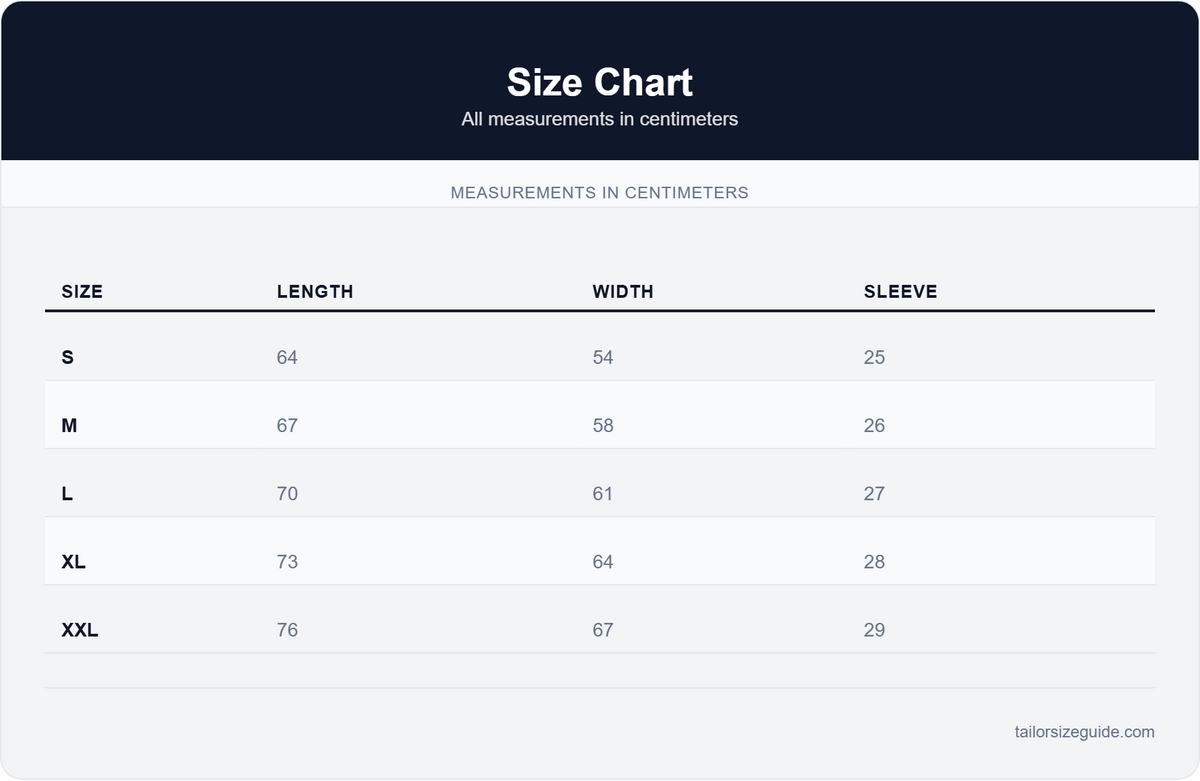
The following table provides an illustrative starting point for men's upper-body sizing, not an official VIVA size chart. Actual measurements vary by brand, garment type, and fit.
| Size | Approximate chest measurement | Approximate chest in cm |
|---|---|---|
| XS | 32–34 inches | 81–86 cm |
| S | 34–36 inches | 86–91 cm |
| M | 38–40 inches | 97–102 cm |
| L | 42–44 inches | 107–112 cm |
| XL | 46–48 inches | 117–122 cm |
| XXL | 50–52 inches | 127–132 cm |
These ranges are general examples rather than a universal conversion chart. Some brands use overlapping ranges, while others assign different measurements to the same size label.
It is also important to distinguish between body measurements and garment measurements. Your body chest measurement describes the circumference of your chest, while a shirt's chest measurement describes the finished garment. A garment usually needs additional room for movement and comfort.
For the most accurate result, compare your measurements with the specific product's size chart before placing an order.
Men's Shirt Size Chart
Choosing the correct shirt size involves more than checking whether you usually wear a medium or large. The chest, shoulder width, sleeve length, and overall shirt length all influence how a shirt looks and feels.
A well-fitting shirt should provide enough room to move comfortably without excessive pulling around the chest or unwanted fabric around the waist.
How to Measure Your Shirt Size
Before selecting a gents shirt size, take a few simple measurements using a flexible measuring tape.
1. Chest measurement
Wrap the measuring tape around the fullest part of your chest, keeping it level beneath your arms. Stand naturally and breathe normally. Avoid pulling the tape too tightly.
2. Shoulder measurement
Measure across your upper back from one shoulder point to the other. For a finished shirt, compare this measurement with the garment's shoulder width.
3. Shirt length
Measure from the highest point of your shoulder, close to the neck, down to your preferred hem length.
4. Sleeve length
Measure from the shoulder seam to the point where you want the sleeve to end. For long-sleeve shirts, this generally extends toward the wrist.
5. Neck measurement
For collared shirts, measure around the base of your neck, leaving enough room for comfortable movement.
Once you have these measurements, compare them with the brand's specific shirt size chart rather than relying exclusively on the size label.
What Is a Medium Size Shirt?
A medium size shirt is commonly designed for someone with an average chest measurement within the brand's medium range. In many general sizing systems, this may correspond to approximately 38–40 inches around the chest, although the exact range varies.
The right medium shirt should sit comfortably across your shoulders, allow natural arm movement, and provide enough room around the chest and waist.
If your chest measurement falls between two sizes, consider the intended fit. A regular-fit shirt may require a different choice from a slim-fit shirt, particularly if you have broader shoulders or prefer additional room.
When shopping for casual shirts for men, always check the available product measurements and fit description to make a more informed decision.
How Should a Shirt Fit Across the Shoulders?
The shoulder seam is one of the most useful indicators of shirt fit. On a regular-fit shirt, the seam should generally align with the point where your shoulder begins to curve into your upper arm.
If the seam sits too far inward, the shirt may feel tight and restrict movement. If it extends too far beyond the shoulder, the shirt may look oversized unless that is the intended design.
However, shoulder placement depends on the style. Drop-shoulder shirts deliberately feature lower shoulder seams, so their fit should be assessed according to the intended silhouette rather than conventional shirt proportions.
Men's T-Shirt Size Chart
T-shirts are available in several fits, including regular, slim, relaxed, oversized, and drop shoulder. Although two T-shirts may share the same size label, their chest width, shoulder placement, sleeve length, and overall length can differ considerably.
When comparing a men's T-shirt size chart, consider both your body measurements and the fit you want to achieve.
S, M, L, XL and XXL T-Shirt Sizes
The following overview explains how common T-shirt sizes are generally positioned. It is a broad reference, not a substitute for a brand-specific chart.
| Size | General sizing description |
|---|---|
| Small (S) | A smaller, relatively narrow upper-body fit |
| Medium (M) | A medium-range upper-body fit |
| Large (L) | A larger chest and body fit |
| Extra Large (XL) | Additional room for a broader upper body |
| Double Extra Large (XXL) | A larger overall size for broader body measurements |
These descriptions are not enough to establish the correct size on their own. Two people who both wear large may need different T-shirt sizes because of differences in height, chest circumference, shoulder width, and preferred fit.
If you are looking for an XXL size T-shirt, compare the actual chest width and length measurements with a T-shirt you already own and find comfortable.
How to Measure a T-Shirt
You can measure your body or use a T-shirt that fits you well. The second option is particularly useful when comparing garment measurements online.
Lay your existing T-shirt flat on a smooth surface and measure the following:
-
Chest width: Measure straight across the garment from one side to the other, beneath the armpits.
-
Body length: Measure from the highest shoulder point to the bottom hem.
-
Shoulder width: Measure across the shoulders from one shoulder seam to the other.
-
Sleeve length: Measure from the shoulder seam to the sleeve opening.
Remember that a flat garment chest measurement is usually a half-circumference. For example, a shirt measuring 20 inches across the chest when laid flat has an approximate circumference of 40 inches, excluding variations caused by stretch and garment construction.
This distinction is important because comparing a 20-inch flat measurement directly with a 40-inch body circumference can otherwise confuse.
Regular Fit, Fitted T-Shirts and Oversized T-Shirts
Understanding fit types can help you choose clothes that suit your preferences.
Regular fit: Regular-fit T-shirts offer a balanced silhouette with room for everyday movement. They are suitable for casual outfits, layering, and daily wear.
Fitted T-shirts: Fitted T-shirts sit closer to the body and typically create a more defined silhouette. If you prefer this style, pay particular attention to chest and shoulder measurements.
Loose-fit shirts: Loose-fit shirts provide additional room through the body. They can be a comfortable option for relaxed outfits, especially when paired with straight-fit trousers.
Oversized T-shirt mens styles: Oversized T-shirts feature a deliberately roomy silhouette, often with wider sleeves and a longer or broader body. The correct size depends on the intended design and how oversized you want the final look to be.
Drop shoulder T-shirts: A drop shoulder T-shirt has a shoulder seam positioned lower on the upper arm than a conventional T-shirt. This construction creates a relaxed silhouette and is commonly associated with contemporary streetwear.
An oversized T-shirt does not automatically require you to order a size larger. Many oversized styles are already designed with extra width and length. Sizing up without checking the measurements may result in a fit that is longer or wider than intended.
How to Choose the Right Size for Oversized and Drop Shoulder Tees
Start by deciding how you want the T-shirt to fit. If you prefer a relaxed but proportionate silhouette, your usual size may be suitable in an oversized design.
If you want a more exaggerated streetwear look, compare the next size's measurements and check whether the additional length and width will work for your proportions.
For drop shoulder T-shirts, focus on chest width, sleeve length, and body length instead of judging the shoulder seam by conventional fit standards.
Cotton T-shirts may also change slightly after washing, depending on the fabric composition, construction, and care instructions. Following the garment's washing guidelines can help maintain its fit over time.
Men's Trouser Size Chart
Finding the right size in trousers requires attention to waist circumference, hip measurements, rise, and inseam length. A pair of trousers may fit comfortably at the waist but still feel restrictive around the thighs or appear too long at the ankles.
A men's trouser size chart is therefore most useful when it includes more than a single waist measurement.
How to Measure Your Waist for Trousers
Follow these steps before choosing a trouser size.
1. Measure your waist
Wrap a flexible measuring tape around the area where you normally wear your trousers. Keep the tape level and comfortably snug without compressing your skin.
2. Measure your hips
Stand with your feet together and measure around the fullest part of your hips and seat. This is especially useful when choosing fitted or slim-cut trousers.
3. Measure your inseam
Measure from the crotch seam down the inside of your leg to the point where you want the trousers to end. Alternatively, measure a well-fitting pair of trousers along the inside leg seam.
4. Check the rise
The rise is the distance from the crotch seam to the top of the waistband. A higher rise sits closer to the natural waist, while a lower rise sits further down.
5. Consider thigh room
If you have muscular or broader thighs, check the garment's thigh measurements where available. Waist size alone does not guarantee a comfortable fit.
Understanding Trouser Waist Sizes
Trouser sizes are often displayed in inches, such as W30, W32, or W34. The number usually refers to the stated waist size, but the actual fit can vary by brand, fabric, waistband construction, and cut.
Do not assume that every W32 pair of trousers will measure exactly the same. Check whether the brand provides body measurements or finished garment measurements.
When choosing men's trousers, also consider the silhouette and how you intend to style them.
Slim Fit Trousers vs Straight Fit Pants vs Loose Fit
The cut of your trousers changes both their appearance and the amount of room they provide.
Slim-fit trousers: Slim-fit trousers follow the shape of the legs more closely, especially around the thighs and lower legs. They create a streamlined appearance but should still allow comfortable movement.
Straight-fit pants: Straight-fit pants generally maintain a more consistent width from the thigh toward the hem. They offer a balanced silhouette that works with T-shirts, casual shirts, and a range of footwear.
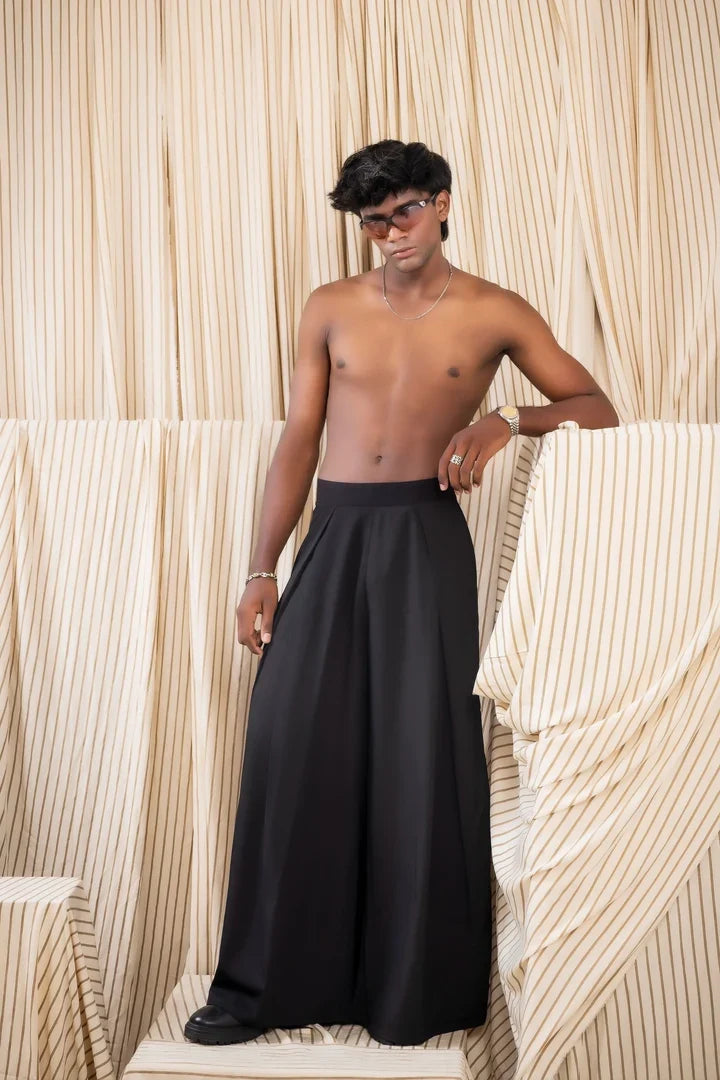
Loose-fit trousers: Loose-fit trousers provide more space through the seat, thighs, and legs. They can work well for relaxed styling and contemporary casual outfits.
Plus-size men's trousers: Plus-size trousers should be selected using accurate waist, hip, rise, and thigh measurements. A larger waist label alone may not provide sufficient room throughout the garment.
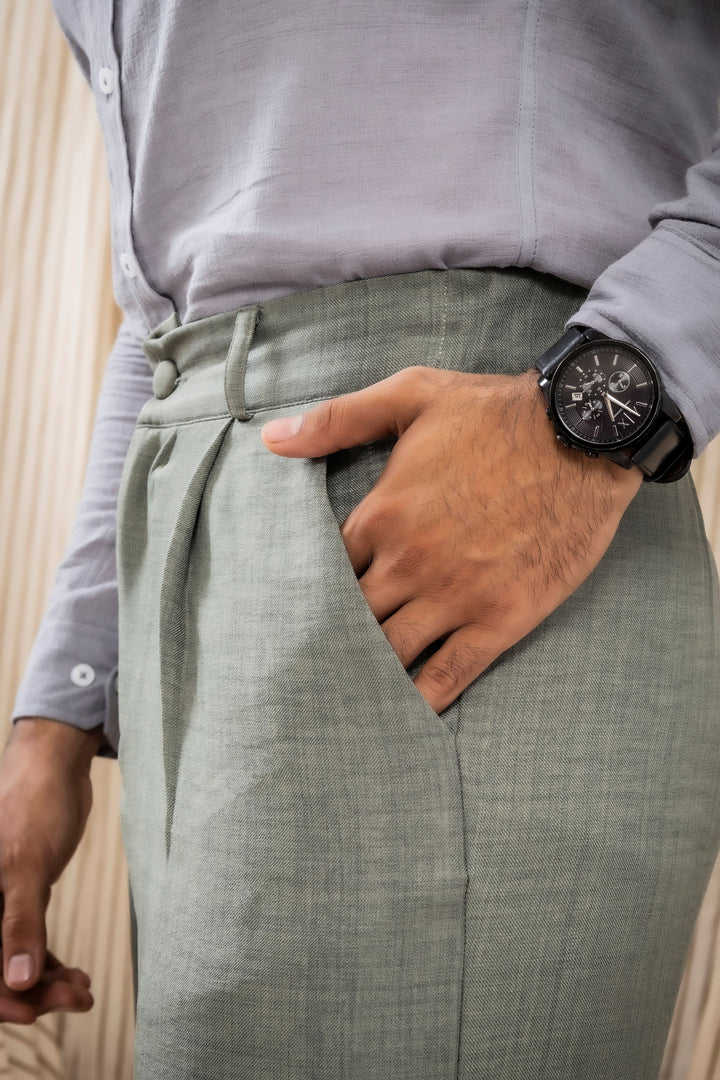
Pleated trousers: Pleats add folds of fabric around the front waistband, creating extra room and a distinctive tailored appearance. The fit still depends on the waist, rise, and cut of the trousers.
For a cohesive outfit, consider how your trouser silhouette works with your top. Slim-fit trousers can balance a relaxed shirt, while straight-fit or loose-fit trousers can complement an oversized T-shirt.
How to Choose the Right Clothing Size Online
Online shopping makes it possible to explore a wide range of clothing styles, but choosing a size without trying the garment on requires a little preparation.
Use these practical steps to reduce the chances of ordering the wrong size.
Compare Your Measurements With the Product Chart
Measure your chest, waist, hips, and inseam where relevant. Then compare your measurements with the size chart provided for the exact product.
Do not rely exclusively on a size chart from another brand. Different manufacturers use different patterns, fits, and measurement standards.
Check Whether Measurements Refer to the Body or Garment
This is one of the most important details when buying clothing online.
Body measurements describe your physical dimensions. Garment measurements describe the finished item, which usually includes additional room depending on the intended fit.
If a chart is unclear, check the product description or ask the retailer to clarify the measurements before ordering.
Consider the Intended Fit
Choose a size based on both your measurements and your preferred style.
A slim-fit shirt is designed to sit closer to the body than a loose-fit shirt. An oversized T-shirt is designed with additional room, so ordering a larger size may not be necessary.
Always check the product's fit description before deciding to size up or down.
Check Fabric Composition and Care Instructions
Fabric can influence how clothing feels and maintains its shape.
Cotton garments may shrink slightly depending on the fabric construction and washing conditions. Stretch fabrics can provide additional flexibility, while heavier fabrics may drape differently from lightweight materials.
Read the product's fabric composition and care instructions, particularly when purchasing fitted clothing.
What Should You Do If You Are Between Sizes?
If your measurements fall between two sizes, consider the garment type and the area that needs the most room.
For shirts and T-shirts, chest and shoulder comfort are important. For trousers, waist, hips, and thighs all contribute to the fit.
If you prefer a relaxed silhouette, the larger size may be appropriate, provided the garment length remains suitable. If you prefer a closer fit, the smaller size may work when it does not restrict movement.
When the difference is unclear, use the product's measurements or contact the retailer for guidance.
Common Men's Clothing Size Mistakes to Avoid
Even with a size chart, a few common mistakes can lead to an uncomfortable or unsuitable fit.
Choosing the same size in every brand: Sizing can vary between manufacturers and even between different fits from the same brand.
Confusing garment width with circumference: A flat chest measurement is usually half the full garment circumference. Make sure you compare measurements consistently.
Ignoring shoulder width: A shirt that fits the chest but pulls across the shoulders may still be uncomfortable.
Choosing trousers by waist alone: Hip, thigh, rise, and inseam measurements also affect the final fit.
Sizing up automatically for oversized clothing: Oversized styles already have additional room in their design. Check the measurements before choosing a larger size.
Ignoring washing instructions: Fabric shrinkage and changes in shape can affect how a garment fits after washing.
Taking a few minutes to compare measurements before ordering can help you make more confident clothing choices.
Frequently Asked Questions
What is my shirt size in inches?
Your shirt size depends on your chest, shoulder, and preferred fit. Measure around the fullest part of your chest and compare that measurement with the brand's size chart. Remember that chest circumference and flat garment width are different measurements.
How do I measure my chest for a shirt?
Wrap a flexible measuring tape around the fullest part of your chest, beneath your arms. Keep the tape level and comfortably snug while standing naturally. Use the resulting measurement to find your size in the relevant brand's chart.
How do I measure my waist for trousers?
Place a measuring tape around the area where you normally wear your trousers. Keep it level and avoid pulling it too tightly. Also check your hips, thigh room, and inseam to ensure the trousers fit comfortably throughout.
What size is medium in men's shirts?
Medium commonly falls around a 38–40-inch chest in some general sizing systems, but this is not universal. Always check the specific brand's measurements, as a medium shirt may vary in chest width, shoulder width, and length.
What is the difference between S, M, L and XL?
S, M, L, and XL represent Small, Medium, Large, and Extra Large. Each label generally indicates a progressively larger size, but exact measurements depend on the manufacturer and garment style.
Should I order a larger size if I am between sizes?
Not automatically. Consider the garment's measurements, your preferred fit, and the area where you need additional room. A larger size may provide more comfort, but it can also increase the garment's length and width.
How should a shirt fit across the shoulders?
For a conventional regular-fit shirt, the shoulder seams should generally align with your natural shoulder points. Drop shoulder and oversized designs intentionally use different proportions, so their shoulder placement should be assessed according to the intended style.
Do oversized and drop shoulder T-shirts need a bigger size?
Usually, not by default. These designs commonly feature extra room or deliberately lowered shoulder seams. Check the chest width, body length, and sleeve measurements before deciding whether to size up.
Are men's clothing sizes the same across brands?
No. Brands can use different sizing standards, garment patterns, and fit descriptions. A medium in one brand may fit differently from a medium in another, so checking the product-specific size chart is recommended.
How do I convert men's clothing measurements from inches to centimetres?
Multiply inches by 2.54 to convert them into centimetres. For example, 32 inches equals 81.28 centimetres. When comparing clothing measurements, ensure both values refer to the same measurement type.
What is the difference between body measurements and garment measurements?
Body measurements describe your physical dimensions, such as chest or waist circumference. Garment measurements describe the clothing itself. The garment may be larger than your body measurements to provide the intended ease, drape, and freedom of movement.
Find Your Fit With VIVA
Choosing the right clothing size starts with understanding your measurements and the fit you prefer. Whether you are looking for everyday T-shirts, casual shirts, or trousers, paying attention to chest width, shoulder placement, waist, and garment length can help you make more confident choices.
Explore VIVA's men's short-sleeve shirts for casual wardrobe essentials, or browse the trouser collection to find styles that complement your preferred fit.
Before placing an order, compare your measurements with the available product information and review the relevant care instructions. The right combination of measurements, fit, and personal style will help you build a wardrobe that feels comfortable and looks well put together.